Unlike most destinations where there's a clear 'best' season, Vermont works hard all year. The question isn't whether to come — it's what kind of trip you're planning. This guide breaks down each season honestly, so you can match your visit to what you actually want to do.
Fall (September – October): The Famous One
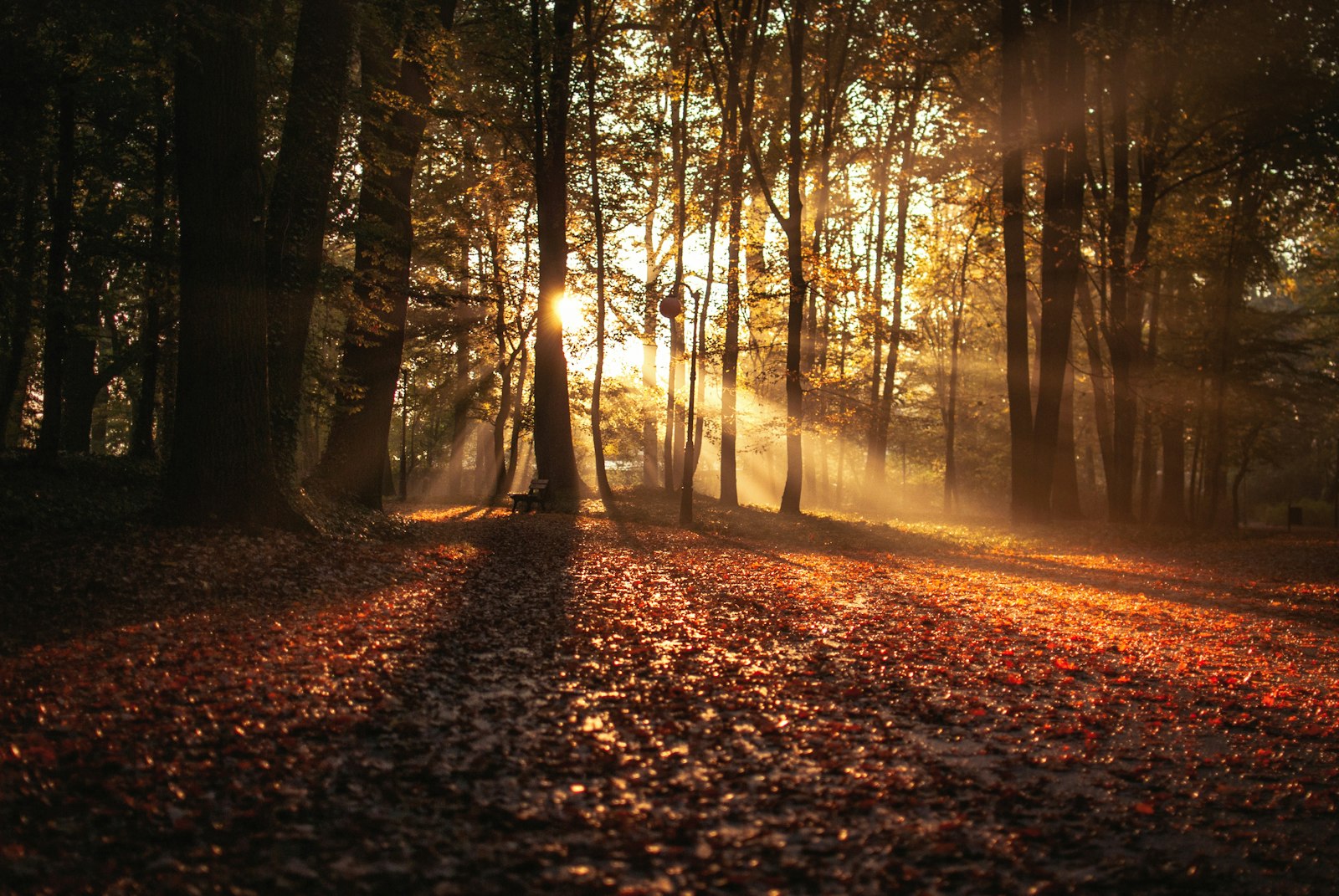
Foliage season is Vermont's peak, and the cliché exists because the reality delivers. Late September to the second week of October is the sweet spot for the Upper Valley. Expect 60°F days, crisp nights, and a countryside that looks painted.
Best for: Scenic drives, village-to-village strolls, farm stands, leaf-peeping hikes
The catch: Demand. Homes in Woodstock and Quechee book 6–9 months out. Weekends in October are the single most competitive travel window all year.
Pro tip: Book midweek. The villages clear out Monday through Thursday, and the leaves look the same.
Winter (December – March): Ski Country at Its Best
Vermont winters are serious — cold, snowy, and gloriously quiet. Killington, Okemo, and Pico are all within a 45-minute drive of the Upper Valley, and the après-ski scene is genuine rather than manufactured.
Best for: Skiing, snowshoeing, fireside weekends, holiday traditions
The catch: Weather. Plan for at least one day of below-zero temps, and keep flexibility on driving routes.
Standout dates:
- Wassail Weekend in Woodstock (mid-December) — the definitive New England holiday festival
- MLK Weekend — reliable early-season snow and a long weekend that works for everyone
- March — locals' favorite. Big storms, long daylight, cheap lift tickets
Spring (April – May): The Locals' Season
Vermont spring has two phases. Mud season (April) is real — trails are closed, some restaurants reboot their menus, and the brown landscape has its own austere beauty. Then May arrives and everything explodes: lilacs, apple blossoms, trout streams running high.
Best for: Deal hunters, writers, anyone who wants the villages to themselves
The catch: Some attractions run limited hours, and a few of the smaller inns close between seasons.
Why we love it: Rates are 30–40% lower than peak, restaurants have tables, and the pace is exactly right for a quieter trip.
Summer (June – August): The Underrated Season
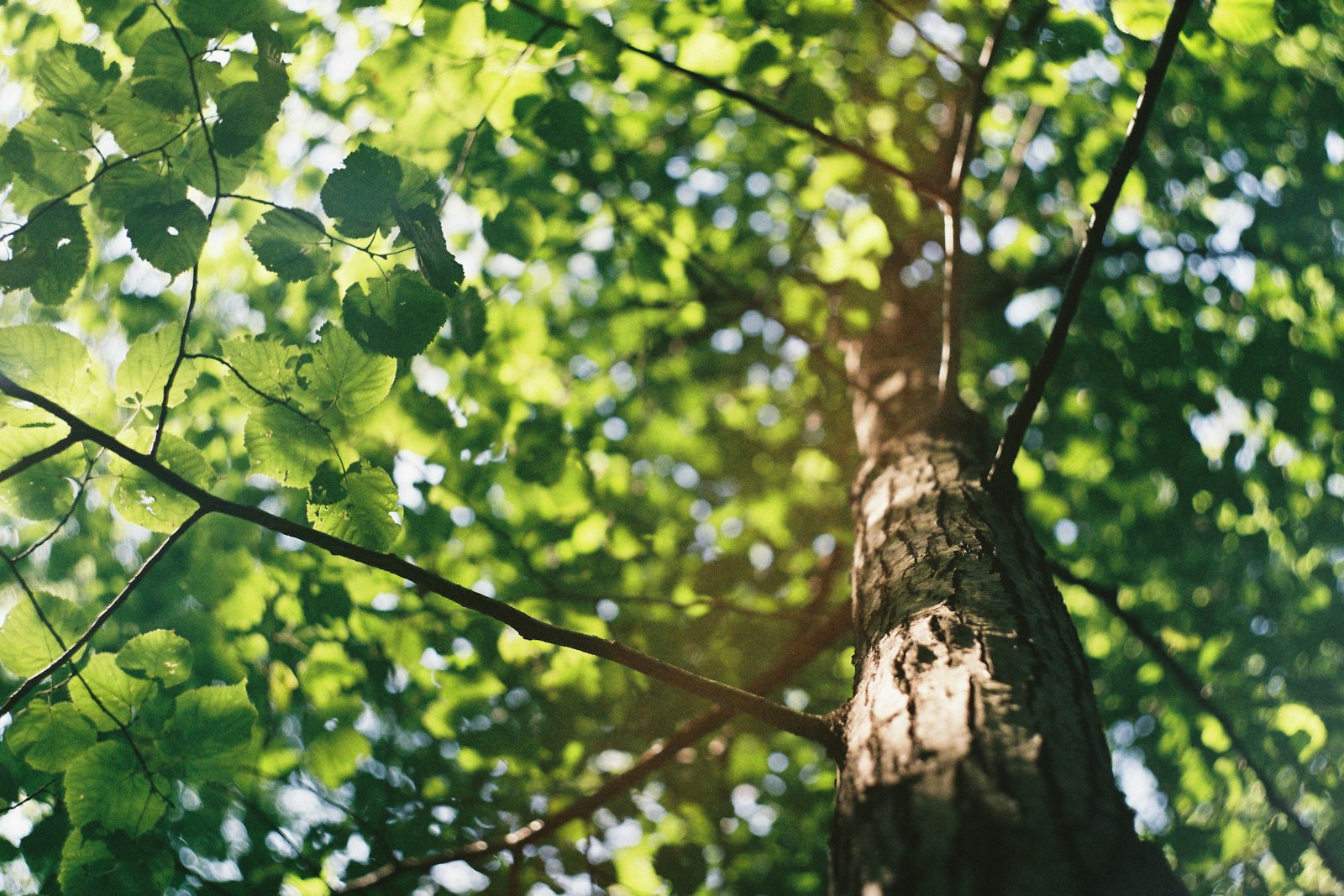
Summer in Vermont is a secret the rest of the country hasn't caught onto yet. Temperatures rarely exceed 80°F, the rivers are perfect for swimming, and farmers markets run in every village.
Best for: Families, golfers, hikers, long porch dinners
The catch: Two weeks in mid-July can feel busy, especially around July 4. Otherwise, summer is spacious.
Don't miss:
- Farmers markets — Norwich (Saturdays) is the region's best
- Swimming holes — Ottauquechee River just below Quechee Gorge
- Vermont Symphony on the farm — outdoor concerts in the Upper Valley all summer
- Golf at Quechee Club — guest access available through several Stay Vermont homes
Month-by-Month Summary
- January: Deep winter, best skiing. Cold but clear.
- February: Peak ski season. Book President's Week early.
- March: Locals' favorite. Big snow, longer days, lower prices.
- April: Mud season. Quiet and cheap, not for first-timers.
- May: Lilacs, trout, soft green everything. Underrated.
- June: Full spring. Mosquitoes in the woods, but evenings are perfect.
- July: Classic summer. Book early.
- August: Warm days, cool nights, corn and blueberries peaking.
- September: Early foliage in the high country. Late month is magic.
- October: Peak season. Plan well ahead.
- November: Stick season. Quiet; great for reading and long dinners.
- December: Holidays, early skiing, Wassail Weekend.
Our Honest Recommendation
If you've never been, come in late September. If you ski, come in March. If you want Vermont to yourself, come in May or November. And if you want a guaranteed great trip without the foliage premium, come in summer — it's the state's best-kept secret.
There's no wrong time to visit Vermont. There are only different versions of it.
Ready to plan? Browse our homes by season, or reach out to our concierge team for tailored advice.